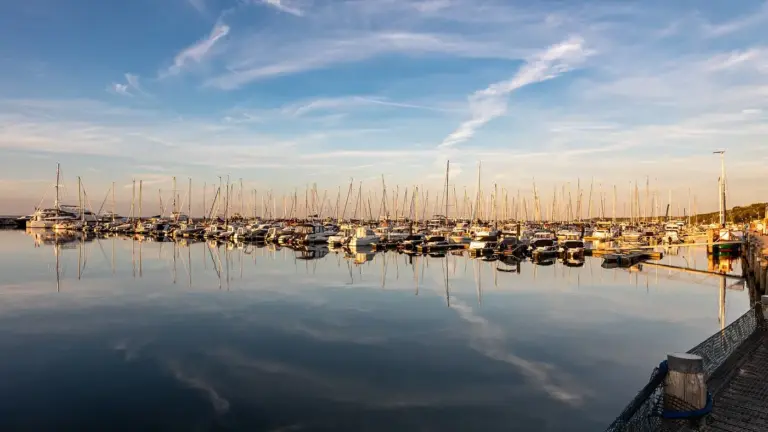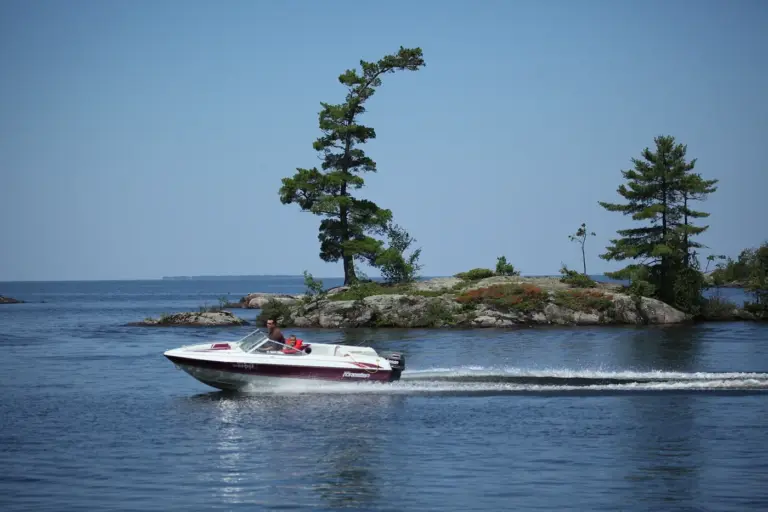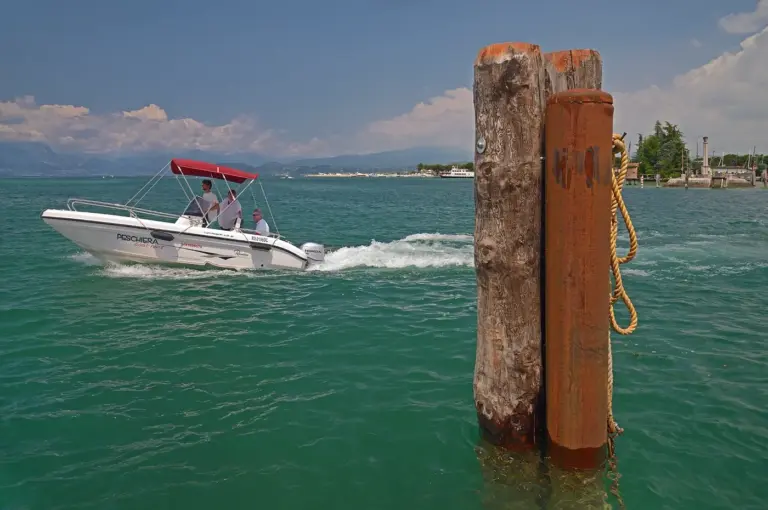
If you are looking for a boat, you will soon find different types of vessels. Boats, motor boats and sailboats each have their own characteristics. The best type depends on where you want to sail, with how many people and how you want to use the boat.
A boat for relaxing day trips
Many people choose a boat for quiet sailing on inland waterways. The seating area is often an important part of the design. When comparing the available space, cover, engine type, storage space and installation possibilities.
A motor boat for more facilities
Motorboats exist in various versions: from compact models to larger boats with sleeping places and sanitary facilities. See the practical layout, the facilities for your journey time and the usage and maintenance costs. The suitability for a sailing area can vary considerably per model.
A sailboat for those who love sailing
A sailboat requires other knowledge and preparation than a compact dayboat. Note the rigging, the condition of the sails, available space and the requirements of the sailing area. For larger journeys comfort on board can be an important part of the comparison.
Compare on use, not only on appearance
Create a list of wishes in advance: Number of persons on board, day trips or overnight stays, desired berth, possible trailer, maintenance budget and insurance. The most beautiful photo does not say everything about practical usability.
Don’t you know what type you’re looking for? See the overview all boats or filter aimed at boats for sale. Ask the provider questions and let them advise you independently where necessary.
Start with your most common day on the water
Imagine the journey you are most likely to make, rather than the longest trip you might take one day. For a slow afternoon on canals, a comfortable open sloop may be easier to live with than a large yacht. If your plans involve longer distances and regular travel between marinas, you may prefer a motorboat with appropriate protection from the weather. People who enjoy adjusting sails and navigating with the wind may be drawn to a sailing boat. These are different experiences, not simply different price categories.
Consider how many passengers normally travel together. What feels spacious with two people can be crowded with a larger group carrying bags and outdoor equipment. Think about boarding, moving around the deck and keeping possessions dry. A practical layout often contributes more to an enjoyable trip than extra features you rarely use.
Check the waterway before choosing the boat
Canal bridges, water depth, locks and marina dimensions can limit suitable vessels. Compare the height, beam and draft of a specific boat with the routes you plan to use. Ask a local harbour or waterway authority when you are unsure. A boat that looks compact in a photograph can still be too wide or deep for a preferred mooring.
Also account for the local navigation rules and the experience required to operate the vessel. Depending on a boat’s characteristics and the country in which it is used, particular licences or safety equipment may be needed. Clarify those requirements before making commitments, rather than assuming that every small leisure boat is operated under the same conditions.
Think about the ownership experience
An engine-powered boat requires an appropriate service schedule, fuel or charging arrangements and attention to mechanical systems. Sailing boats have sails and rigging that must be inspected, along with any auxiliary engine. A traditional open sloop may be mechanically simple, but weather covers, seating, hull condition and winter storage still matter.
A buying budget should therefore include more than the asking price. Investigate insurance, berthing fees, maintenance, inspection costs and how the boat will be stored when it is not in use. The balance between these items depends on vessel size, equipment and local conditions.
Make your comparison more useful
Rather than comparing unrelated boats, shortlist two or three vessels that genuinely fit your intended journeys. Note their available space, visibility from the helm, ease of handling, storage, condition and likely ongoing costs. Where appropriate, arrange a viewing and an independent inspection. Ask the owner which equipment is included and whether important changes were made after the boat was built.
Once you understand the boat type, use the boat brand directory for background information and browse the current boat listings to see individual specifications. A demonstration advertisement is an example of how a listing works, not a boat that can be purchased.